
Updated June 26, 2025
May 19, 2025 by jayneanastasia l Leave a comment
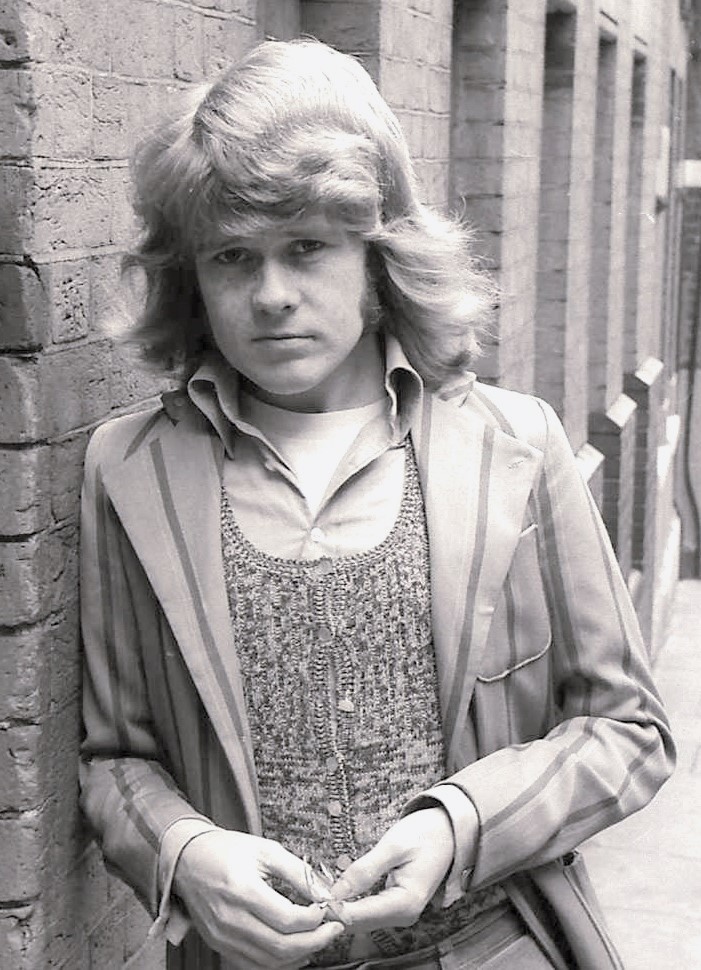
Trevor Gordon was an accomplished recording artist, performer, and literary published musician who experienced the excitement of fame and the downside of the machinations of the music business. Trevor was someone whose full potential was possibly never brought to fruition in a life that was much too short.
Trevor‘s life story ended in London on January 10, 2013 at the age of 64. Local officials were contacted for a wellness check by his friend, Peter Foldy, who lives in California. Upon arrival, the local officials discovered Trevor deceased in his apartment.
Peter and Trevor were life long friends. Frequent readers will be familiar with Peter as he has appeared in two separate Features for At A Glance where the blog showcased his personal talents as being both an accomplished musician and a filmmaker.
While researching background for those Features, I discovered that Peter, while living in Australia in his youth, had an early relationship with not only a trio of musical brothers (who became the world famous Bee Gees), but also a talented gentleman who had first befriended the brothers and then introduced Peter to them, named Trevor Gordon. Trevor had gained recognition in Australia for his television appearances, and he later became best known as one half of the British pop duo, The Marbles.
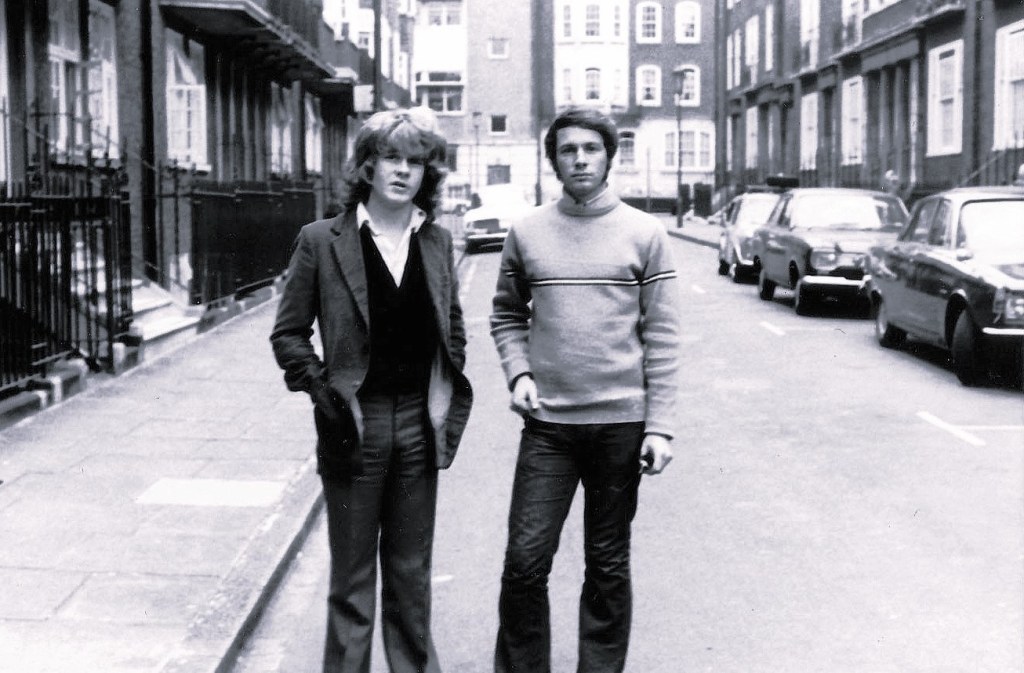
It was Peter who suggested sharing Trevor‘s life as a Feature in an effort to highlight the accolades he should have received in his lifetime. Peter and Trevor had become fast friends as schoolmates, even when they were separated occasionally by space and time while living in Australia. Both had relocated there from their respective homelands when they were young. They remained friends reaching into adulthood, as each of them undertook moves to different countries and through different careers.
Honored to be able to bring a voice to Trevor‘s story, I set out to do just that, along with Peter‘s assistance through a discussion of their relationship, as he shares his thoughts and experiences through a Q&A, but first we will take a look at some history of Trevor‘s life, and even hear from a few others who knew him.
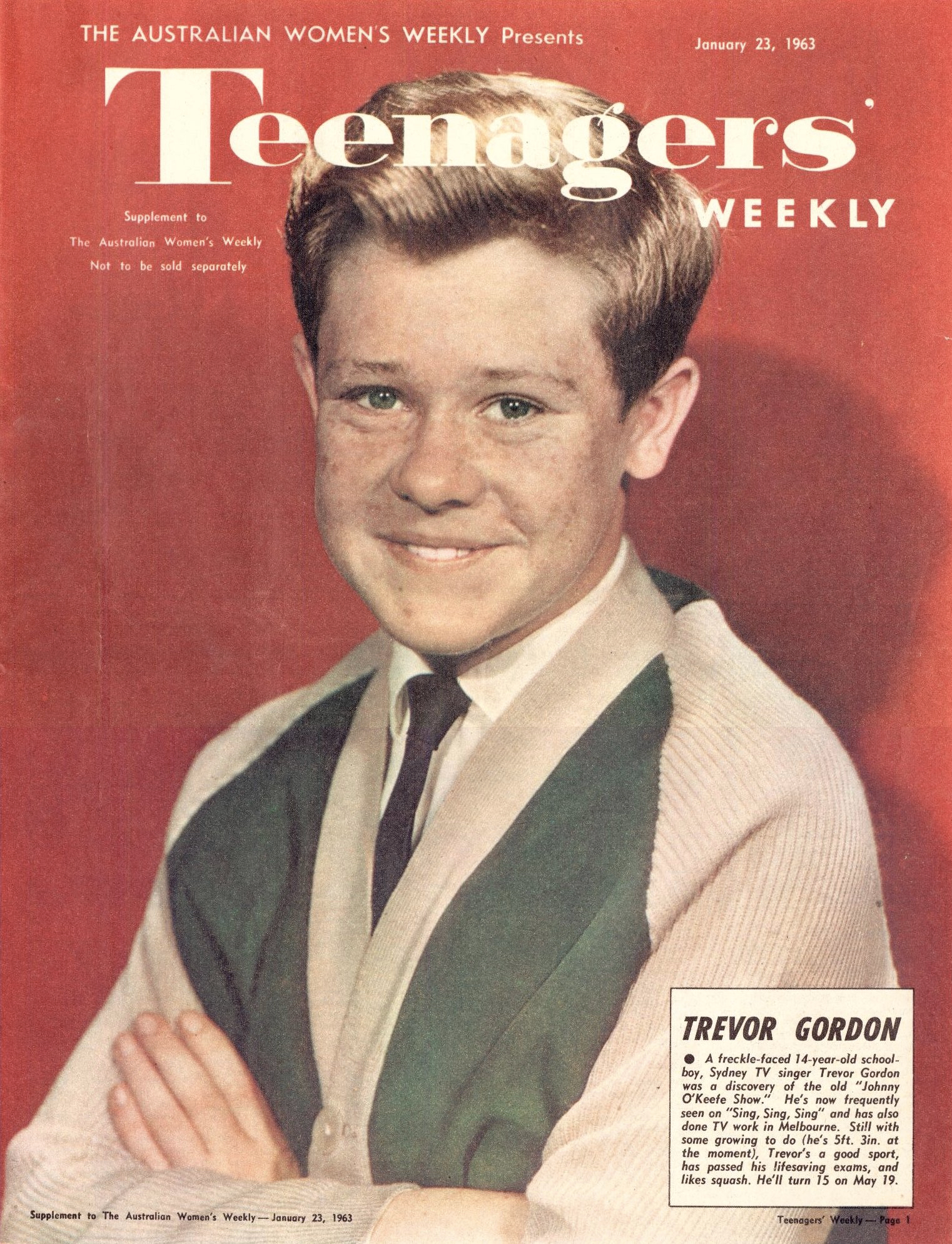
Trevor was born in Skegness, Lincolnshire, England on May 19, 1948 under the name of Trevor Gordon Grunnill. Like many of his contemporaries, Trevor and his family emigrated to Australia in 1961. Traveling by steamer ship, they arrived and made their home in Sydney, Australia.
Trevor‘s musical abilities were evident at an early age, and things progressed musically for him as he grew. Trevor spoke in an interview… I was playing guitar at the age of nine. We went to Australia early on, then came back, then went out there again. On the ship going back for the second time, I sang in a couple of shows and Australian musician, Herbie Marks, heard me and arranged a TV audition for me in Sydney. I then went on the Johnny O’Keefe Show – he was just about the biggest thing in the Aussie pop scene then. From there I went on to the children’s television scene and after that into the studios as part of the background scene. Plus the bits with the Bee Gees. (Individual Marbles by Pete Goodman, Nov 1968, Beat Instrumental Magazine)
Plus the bits with the Bee Gees… we’ll get into that in a moment, but first let’s take a listen to Trevor performing on the Johnny O’Keeffe Show in 1962 at age 13…
Trevor had signed an exclusive contract with ABC, the Australian Television Network, where he appeared on a Saturday afternoon children’s program as a compère. It was during this time that Trevor met and made friends with the Gibb brothers, known professionally as the Bee Gees, who also were performing on television and other venues in Australia. According to Decades: The Bee Gees in the 1960s, Trevor is quoted as saying I first met The Bee Gees after I emigrated to Australia with my parents in 1961. We were both sort of novelty acts as we were so young and used to meet on the Johnny O’Keefe Show Sing, Sing, Sing (which was like) Australia’s Top of the Pops.
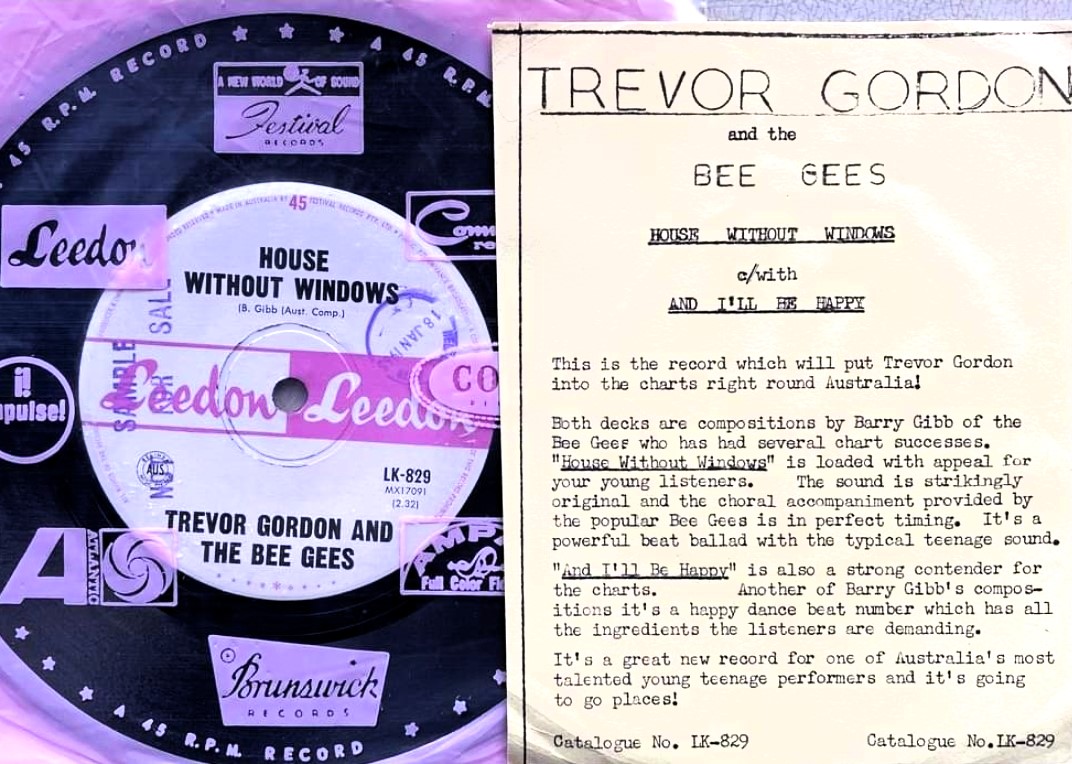
Both Trevor and the Bee Gees (Barry, Robin and Maurice) were now also recording music under the Leedon Records label, and they often times helped each other out by playing instruments or singing backup on each other’s songs. Trevor played lead guitar on a number of tracks on the first Bee Gees album, The Bee Gees Sing and Play 14 Barry Gibb Songs (Wikipedia) including their early Australian hit single, Wine And Women. And the brothers recorded with Trevor, two of Barry‘s penned songs, House Without Windows and And I’ll Be Happy, under the title of Trevor Gordon and The Bee Gees. Although the Bee Gees contributed to other artists, including a few big named artists of the period, this single was the only time that the Bee Gees were co-credited during the Australia era of their music, making this a special collector piece. The label then went on to credit Trevor as a solo artist while all three brothers sang backup on two other Barry Gibb compositions, Little Miss Rhythm and Blues and Here I Am.

The time that Trevor spent recording with the Bee Gees wasn’t the only time they spent together. They had become good mates, hanging out and spending many hours at the Gibb house during what little down time they all had. Speaking with the Bee Gees sister, Lesley (Gibb) Evans, via email, I asked her memories of Trevor. She shared, He was in television as a child and being English we all became friends due to being in the industry. He was about 12 or 13 at that time and like a younger brother I adored. He was always at our home, just about lived there. I saw him perform and he worked on our show, Teenage Parade. Trevor also worked with Maureen and I during this time (Lesley‘s oldest brother Barry‘s fiancé and eventual first wife). He was very shy and very much a gentleman. The whole family just loved Trevor, really loved him.
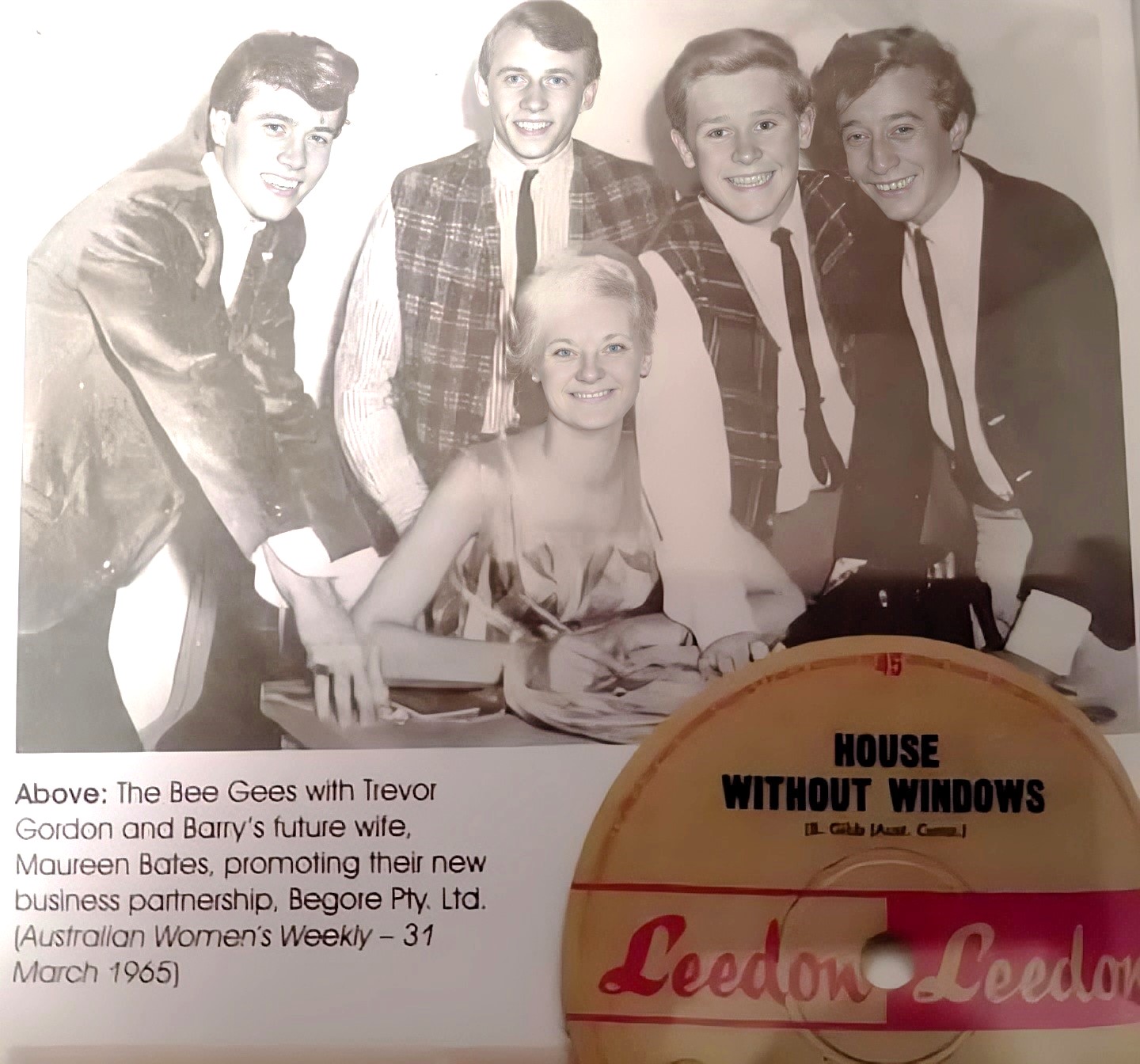
Apparently, the boys all got along so well, they decided to create a business together when they saw a need for themselves and other fellow musicians and performers. They set up a Proprietary Company to provide a physical location for people to use as an office-type headquarters where they could store instruments and equipment, change for auditions, handle fan mail, and take meetings. Barry‘s future wife, Maureen Bates, even took on secretarial duties! They named the business Begore Pty Ltd., and according to Australian Women’s Weekly in the March 31, 1965 edition, Trevor is quoted as saying… We want to try and find new artists and help them get started. We are all established enough to have contacts in television and recording industries, so we can arrange auditions and introductions which are very difficult to get when you’re an unknown. Although they would keep focus on their own careers, they felt they could still help fill this need at that time.
As time did move along though, not much else was mentioned about the venture, so not sure how quickly it went by the wayside. The boys were all busy performing and recording, so it would be understandable if it didn’t take long for them to move on. This type of project does show their interest in all the aspects of what goes into the business and how they were willing to help others trying to find their way by working together.
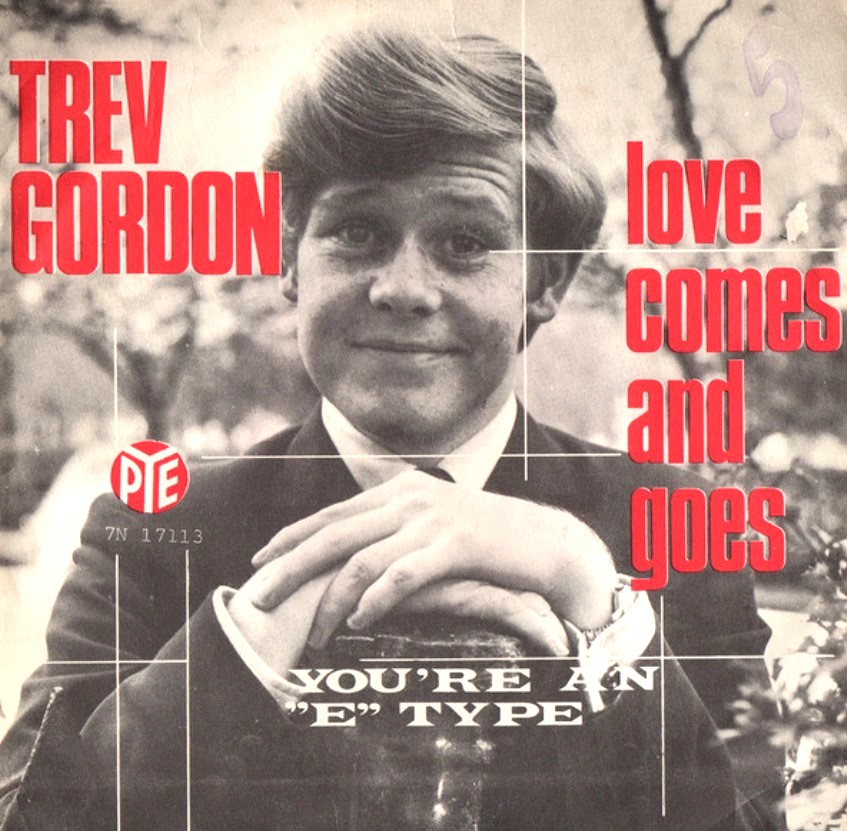
Eventually, it became clear that the real opportunities in the music industry were happening back in England. Australia didn’t have the global reach that being an artist in England could potentially provide. So in 1966 at 18 years old, Trevor picked up and moved back to England, where according to Decades: The Bee Gees in the 1960s, he signed with Pye Records using the more hip name, Trev Gordon.
During this time with Pye, Trevor released two singles on their label, Love Comes and Goes backed with You’re an “E” Type, and Floating backed with Everyone Knows. I find it an important footnote to state that at this point in his career, Trevor had relocated across the ocean and managed to make steps forward on his own to continue to work and record in the music industry. It is worth also mentioning that during this time it is believed that Trevor also became a regular or at least a multiple episode cast member on the BBC’s Billy Cotton Band Show. There are not any definitive records to substantiate these appearances as the show’s archives are incomplete, but it is quite feasible that he would have made an appearance.
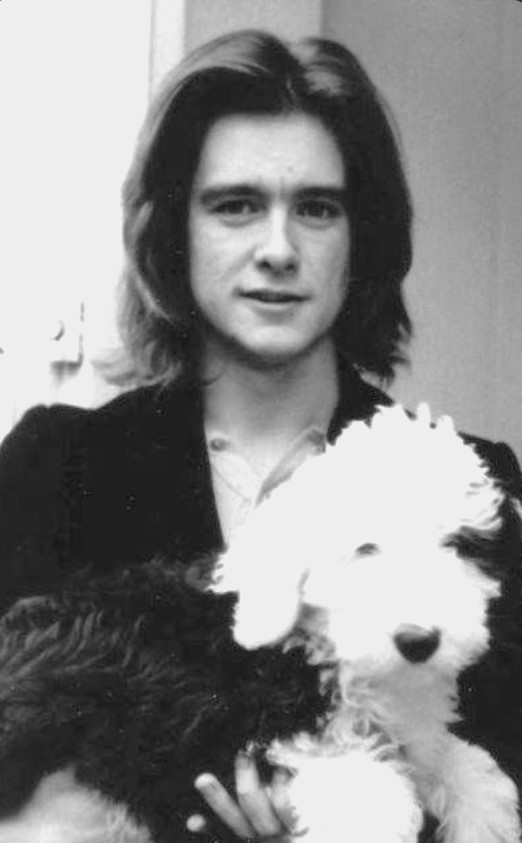
After another return to Australia and back, it’s 1967 and Trevor is now back living in Skegness. Trevor has reconnected with his cousin, Graham Bonnet. Graham was born and raised in Skegness, and was also a musician. Graham‘s mum was Trevor‘s dad’s sister, making the boys first cousins. In a conversation via email, Graham shared, Trevor had no siblings, but was like a brother to me. When we were young, we were in infants school together but then his family moved to Australia. We became close when he moved back at around age 14.
Graham continued sharing about when they were younger, Trevor was the quiet, shy one but we had a similar sense of humor. Trevor was like a giant teddy bear and everyone loved him, especially the girls. Playing music together was how we spent most of our time. He taught me how to play guitar. He was a gentle singer more into folk music as well as the music in musicals. I liked straight ahead rock roll and R & B. I always learned something from him musically. He taught me how to appreciate all types of music, instead of being stuck in one genre. Trevor‘s dad and his brother (my uncle) were trumpet players. My mom (their sister) was a singer (as a hobby.)
Obviously musical talent ran strong in their family. I asked Graham if performing music was something both of them had always wanted to do from childhood or if it was something that came along later, he stated, I think we both always wanted to do music for a career but I never thought it would happen.
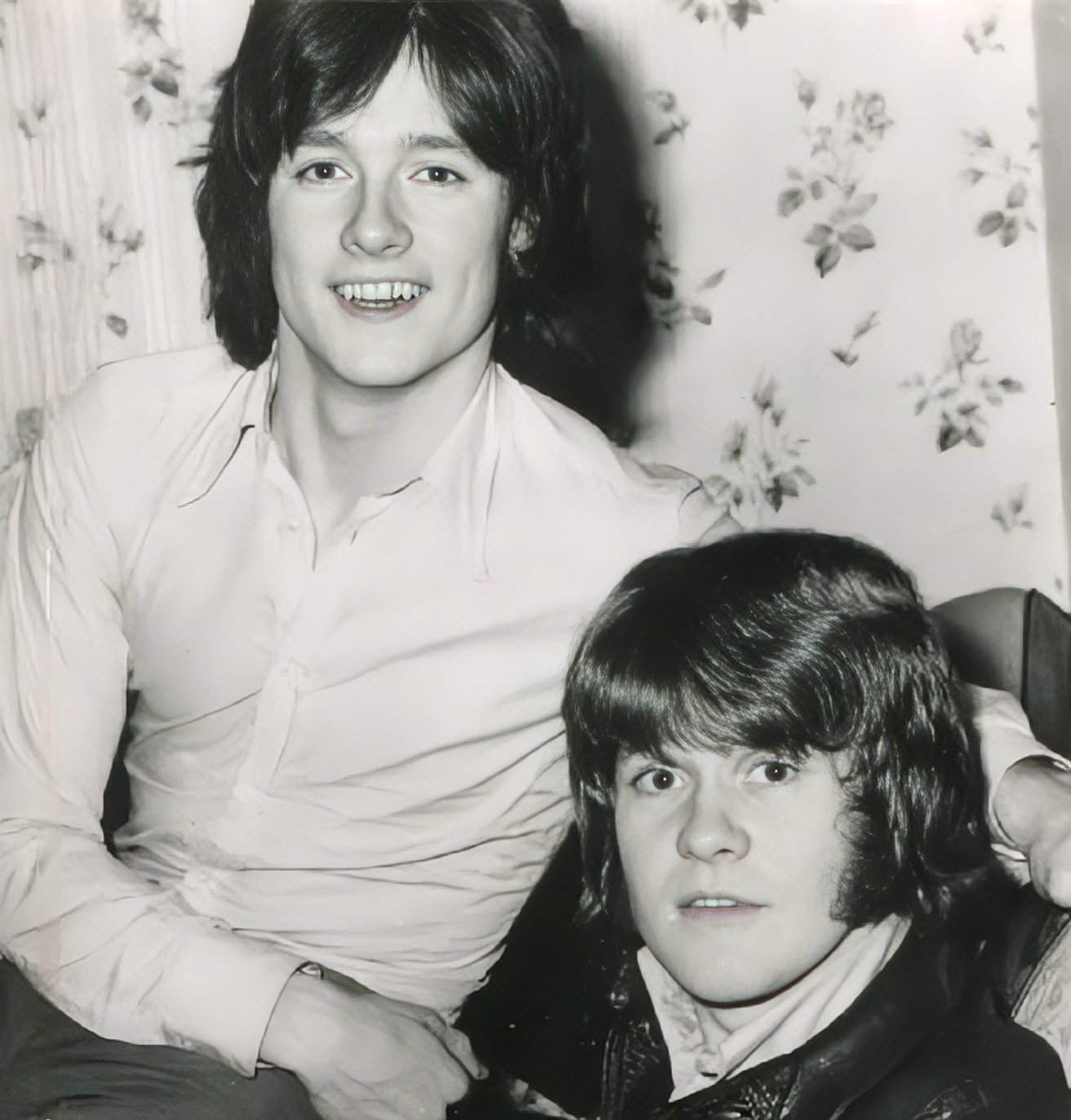
Graham had previously formed a group called The Blue Sect in 1965 which had been performing gigs around the area. In 1967 before Trevor‘s most recent return, he created the band Graham Bonnet Set. When Trevor returned once again from Australia, it was an opportunity beneficial for both of them, and they decided to work together with Trevor joining the Graham Bonnet Set.
Meanwhile, the Bee Gees had come to the same conclusion as Trevor about needing to come to England. So in 1967 they also made their way back, landing in London. They hit the ground running, quickly canvasing the musical lay of the land, and were fortunate to acquire an audition. The brothers were taken under the wing of a manager named Robert Stigwood. Robert was an Australian born impresario who at the time had part ownership in NEMS, the company founded by Brian Epstein. Brian was the manager of the Beatles, so he had his hands quite full. When NEMS received the Bee Gees demo tape, Brian suggested that since Robert was Australian born, he could audition the Bee Gees. Robert quickly realized their potential and contracted himself as manager, then negotiated a record deal for them with Polydor Records.
By this time, Trevor informed Graham that they really needed to make the move to London. So Trevor, Graham and three of their bandmates all up and moved. Once settled, they ended up landing a gig in West London at a popular venue called The Revolution Club. On this particular night, according to an interview with VRP Rocks, Graham states, We played the gig, and after we played, some guy came up to Trevor and said, Hey Trevor! It was the Bee Gees old manager from Australia, Ossie Byrne, who just happened to be in the audience. Ossie went on to say, I’m sure the boys would like to see you again. So he gave Trevor Barry‘s telephone number, and my cousin Trevor went down that next day to meet up with Barry.
When meeting together, Trevor shared with Barry that Graham was a singer too, so Barry suggested that he bring Graham along the next time they got together. Graham then went on to say on VRP Rocks, And so a couple of days later, my cousin and I went down to Barry‘s house, and we started singing (along with all three Gibb brothers), playing our guitars, and singing Stevie Wonder and whatever, you know, Beach Boys and Beatles and everything you can imagine, which was great. And into the room walks Robert Stigwood, who was the Bee Gees‘s manager, and he said, Barry, you have a song for these boys? And Barry said, Well no, but I can write one. Robert then said, I’d like to have them in the studio within the next week or two, and that’s how we kind of started, The Marbles began there.
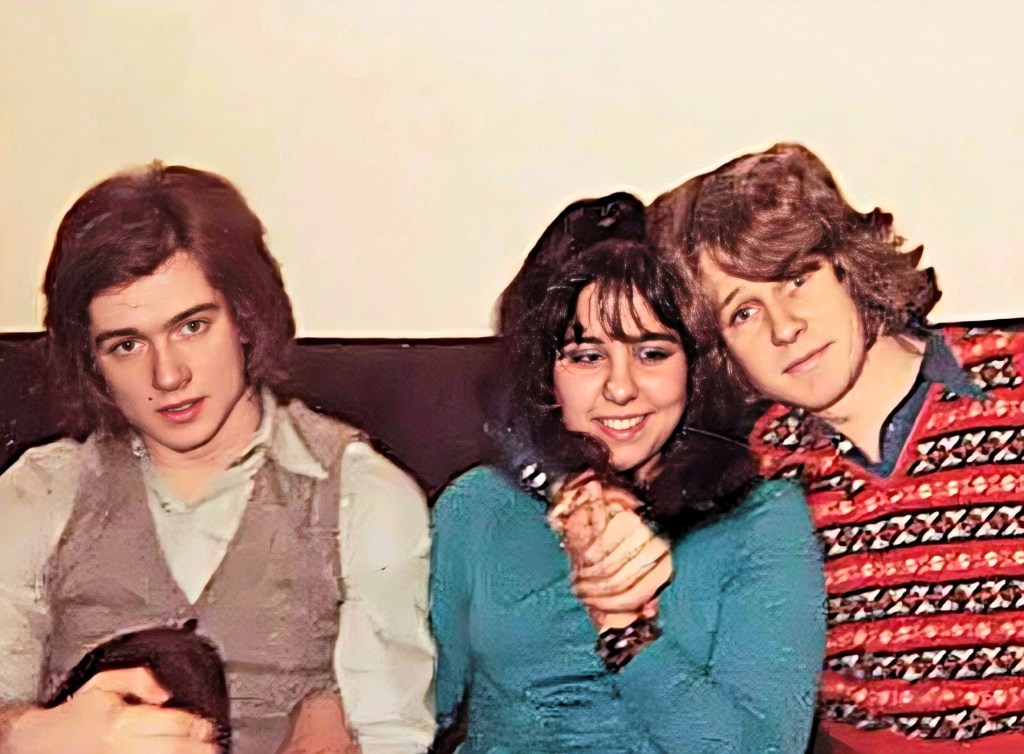
Now officially working in the industry together, the cousins were adjusting to the bachelor life of musicians in the late 60s. A dear friend of mine, Savou Curtis, was friends with the boys and spent time with them during this era. I asked her about her memories of Trevor and she shared…
Trevor was a wonderful soul. Very kind, very caring, very sweet. Graham would be the extrovert and Trevor was very much the introvert. He was happy to be in the background. He reminds me a lot of Maurice who always let Barry and Robin be in the foreground (referring to the Bee Gees.) Trevor was quiet but there was something about him. It was like he was very intelligent, he knew things, but he didn’t shout about anything. He was just happy to go along with what was asked of him. He wouldn’t deliberately rock the boat in any way shape or form.
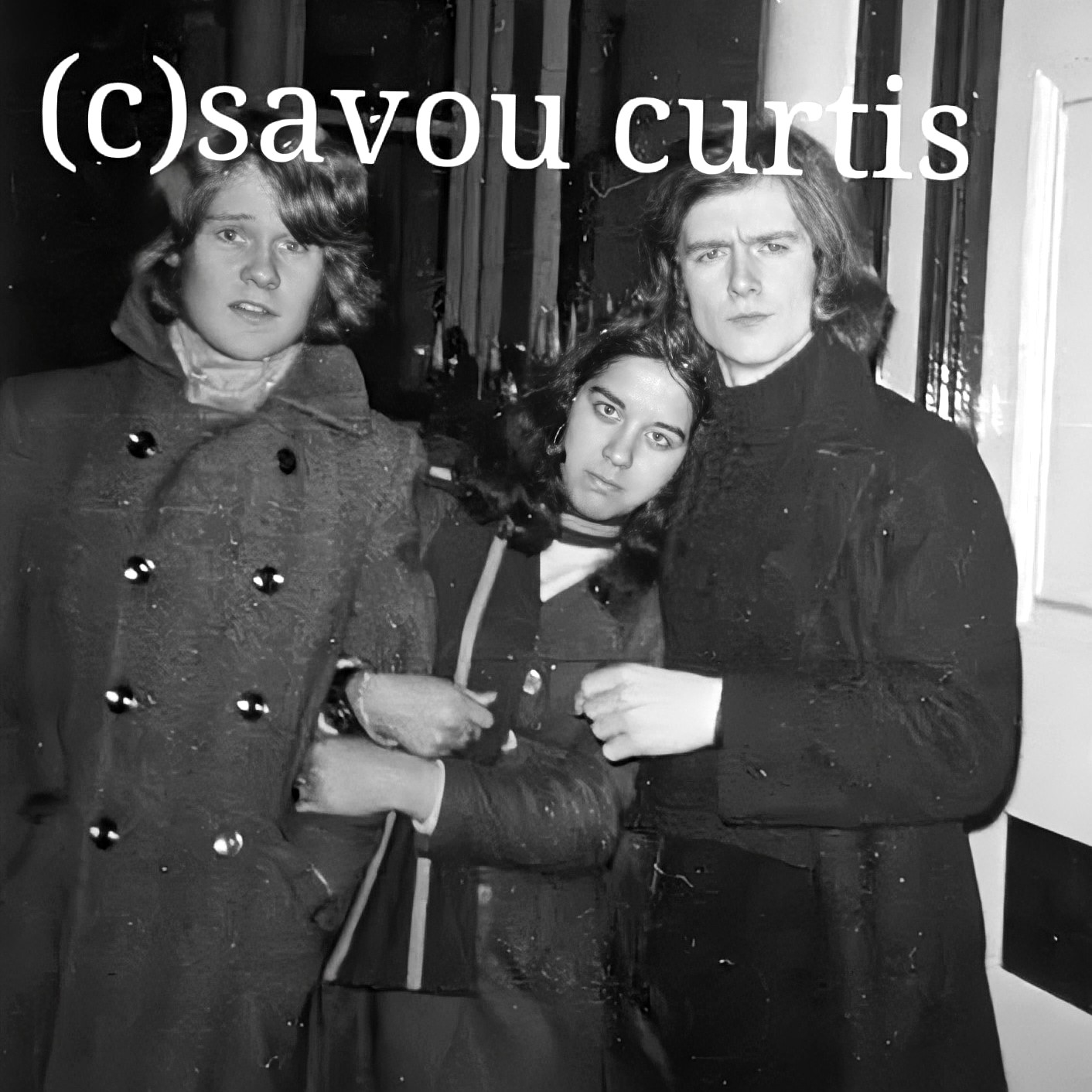
I used to sit and try and speak to him, but he didn’t wear his heart on his sleeve, really. He was very subdued. He wasn’t out there in your face like some people, you know? But there was a loving quality about him that was magical. I used to go ’round to their house and sit with them and take photos and watch telly. It was just really nice. Just really nice being near him, because there was something wonderful about him. He was a lovely person. Just a lovely soul. He was a loner who was content with his own company, who didn’t crave or need anyone or anything. I mean, sure he loved the fame that they had but Trevor wasn’t a needy person, he was just content.
In 1968, Trevor and Graham started work on recording an album as a duo. Barry and brother Maurice worked closely with the cousins between their own appearances and recording time. In fact, it was Barry who came up with the name, The Marbles (note that the name also appears as Marbles on their single releases.) The Bee Gees provided seven penned songs for the duo to record, as well as both Barry and Maurice having a hand in producing their debut eponymous album.
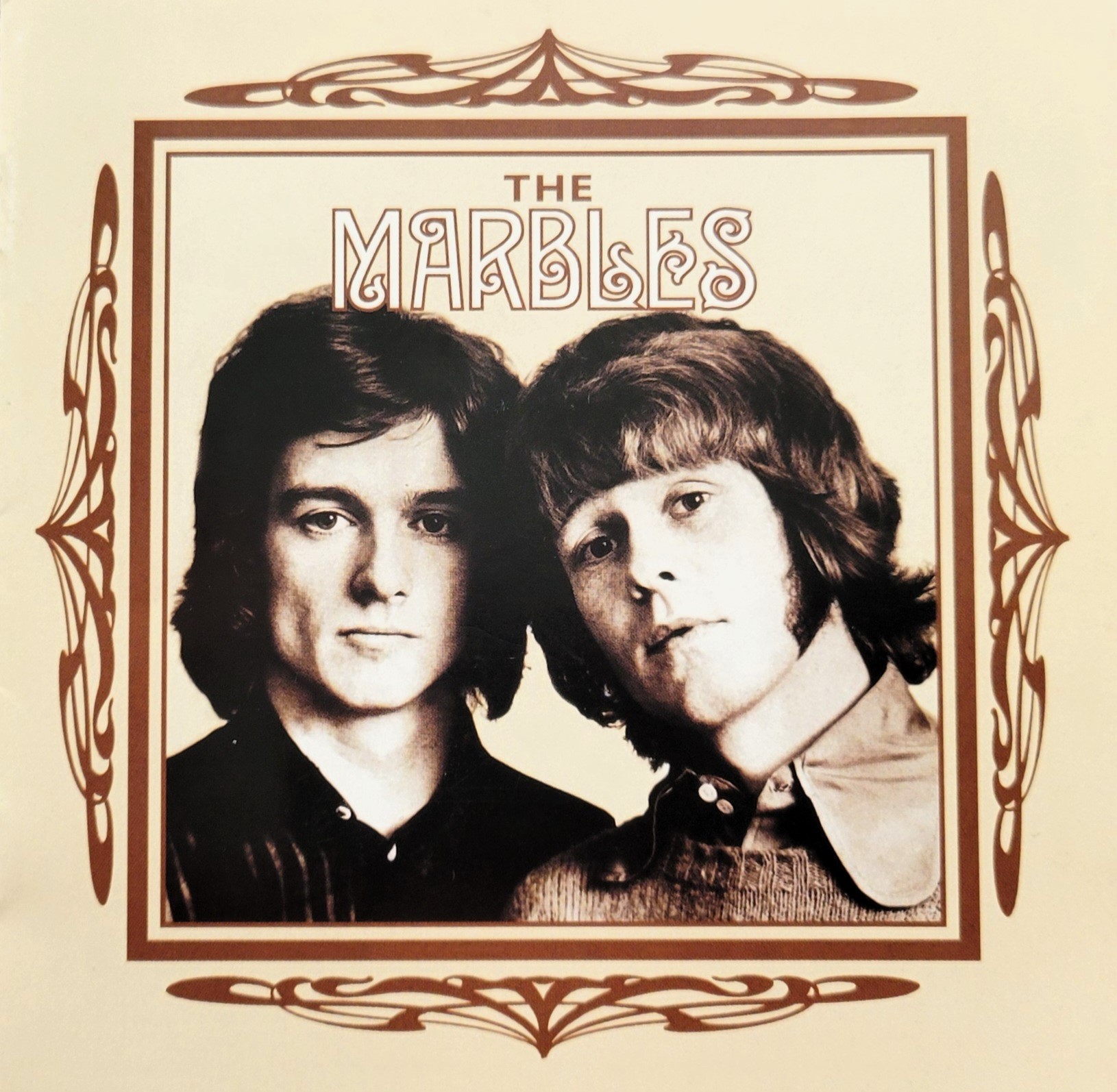
Although the cousins worked well as a duo, they were very different when it came to musicianship and style. Trevor was laid back with a ballad softness at times, although he had a pleasing full vocal tone. Graham, on the other hand, was known for his powerful vocals. Given the nickname The Voice, he was often mentioned to be genuinely very loud with a rock and roll style. They were a unique combination of sounds and techniques, and stood to be a formidable duo together.
As for the song that Robert Stigwood requested, it became their first single, Only One Woman. Graham again shares via another VRP Rocks video, Barry had this la la tune he la’ed to me while he plays guitar (as the tune was written, but not the lyrics)… we went into the studio and I did a quick dah dah dah dah dah dah, you know, and Trevor said to Barry, I think what should happen here is Graham should do a high note here instead of going down on that particular note, and Barry said, Oh that’s a great idea. So the melody was changed by my cousin… it went up to a C#, so it didn’t go all in that same register. And that was the beginning of Only One Woman. So Trevor really was part of the song writing, but little did he know it, because it just became B., R., & M. Gibb as the songwriters. But that’s how it started, so in a couple of days, Barry had written some words and we went in and recorded Only One Woman with that extra put in there.
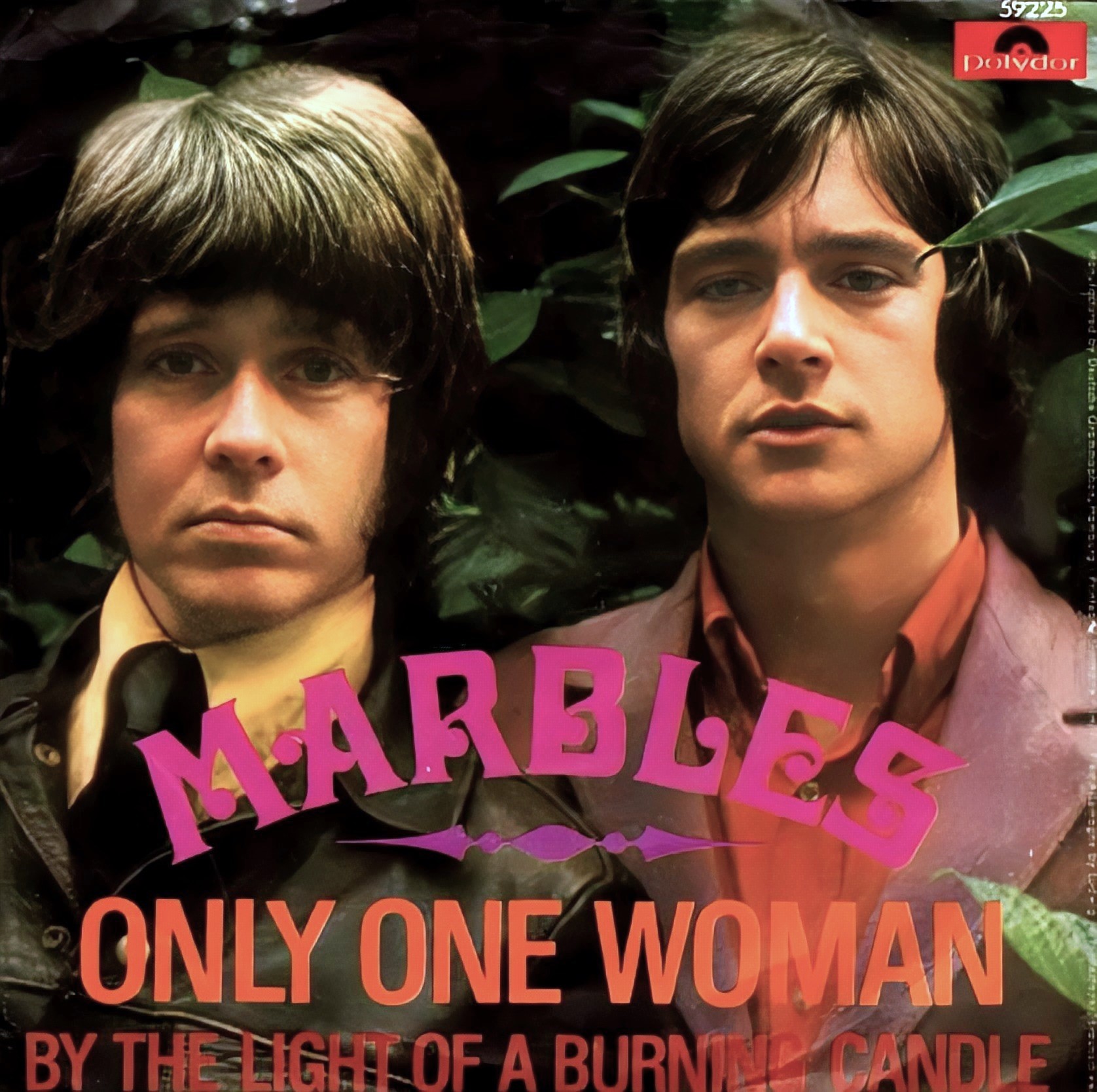
Only One Woman was mixed on June 26, the same week when songs for the Bee Gees album Idea were mixed. Along with Barry on guitar, Maurice on bass and piano, and Bill Shepherd with the orchestral arrangement, there is another name that Bee Gees fans will recognize in the form of Colin Petersen, who recorded drums on the single.
The single was released in the UK and the US in August 1968 on the Polydor label and was titled Only One Woman with By the Light of a Burning Candle as the B side. The single reached the number 5 position in the UK Singles Chart (according to Decades: The Bee Gees in the 1960s) and gave them their first hit along with a touch of notoriety. On October 3rd of that same year, they performed the hit single on Top of the Pops, claiming their place in the annals of the prestigious show.

Along with performances came promotion interviews, and it’s said that during this time, Graham made an off-hand remark that he found their song a bit boring. This comment got back to Barry and caused some friction. According to Joseph Brennan‘s Gibb Songs webpage, This was patched up by January 1969 when Barry provided Graham with a similar song The Walls Fell Down as a follow-up single. This release by The Marbles reached only number 28 on the same chart in March of 1969, although it did do better in the Netherlands reaching number 3.
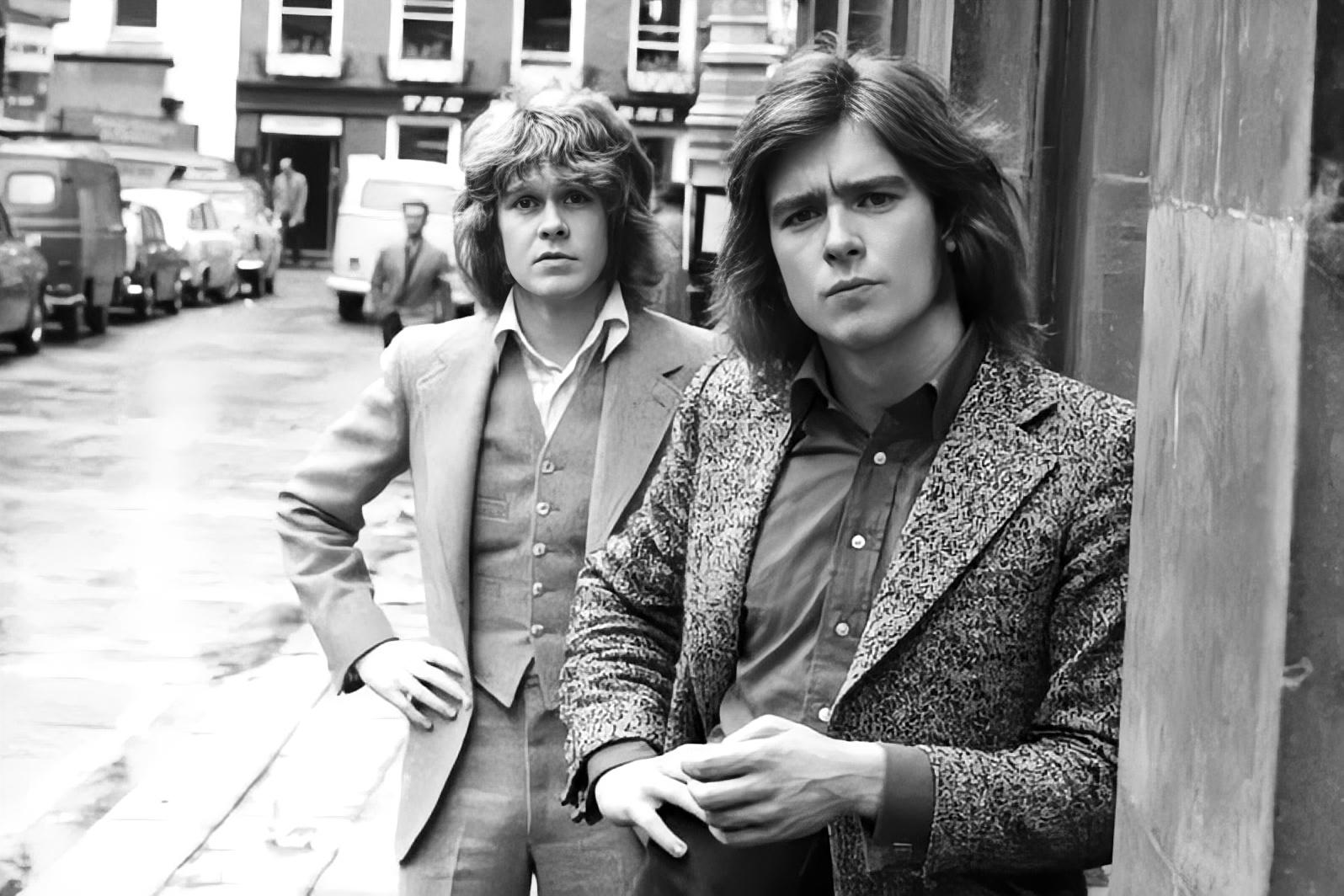
Following a couple of other single releases, the trajectory of the duo’s music seemed to hit a downward spiral. With different styles and reduced label support and momentum, there wasn’t much left for them in Stigwood‘s eyes. So at some point in 1969, Trevor and Graham as The Marbles, broke up. To make things worse for Trevor, Stigwood offered Graham a contract as a solo artist. This seemed to cause a wedge between Trevor and those he had been working with, as I’m sure he felt betrayed by everyone, including Graham and his childhood friends, the Bee Gees. It was his connection to the Bee Gees that got he and Graham signed by Stigwood in the first place, and now Trevor was being left to fend for himself.

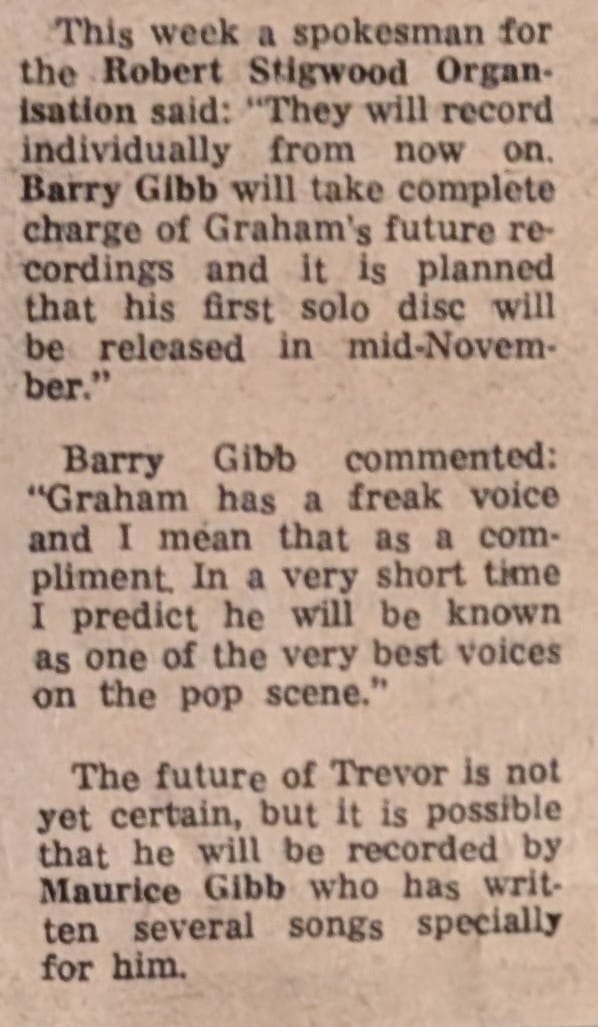
Sometime in early 1970, the actual album, The Marbles, was released. According to Decades: The Bee Gees in the 1970s, The Marbles‘ self-titled album, including five of the seven Gibb songs they’d recorded was released shortly after (their single Breaking Up Is Hard To Do), but strangely, not in the UK. By this time the duo was disbanded and the record seemed a footnote to their time together, with management and the label not supporting it well with promotion or distribution. Interestingly enough, the Bee Gees had already broken up (and that’s another story!) so it certainly seemed a bit of a volatile time in the recording industry for Stigwood and his clients. Contrary to what the magazine clipping implied, neither Graham or Trevor‘s careers followed what was mentioned.
When I asked Graham if there was one thing he could change from his time working with Trevor, he replied I wish it would have lasted longer, management wanted me to be a solo performer. As for their contact and relationship going forward, he responded, it was difficult when I moved to the US and started a family.
Graham went on to continue with a career in music. He eventually joined the Hard Rock band, Rainbow, which was very suited to his voice. He has continued to work with bands in that genre through the years, including Michael Schenker Group and Alcatrazz. He is currently performing with the Graham Bonnet Band.
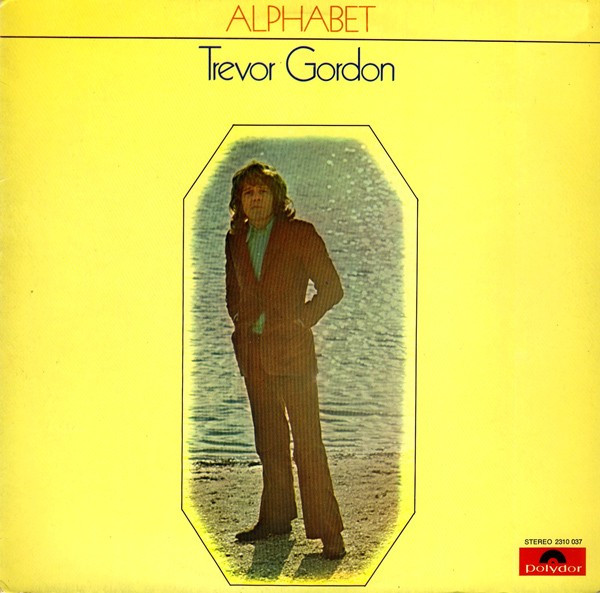
Shortly after the split, Trevor was able to acquire another manager, securing a solo contract recording deal once again with Polydor Records. The manager was not at the same level as Robert Stigwood, but did see Trevor‘s talent and provided an opportunity for him to record a complete album that was sung, composed and arranged by Trevor himself. Trevor titled the album, Alphabet, and it was released in 1970.
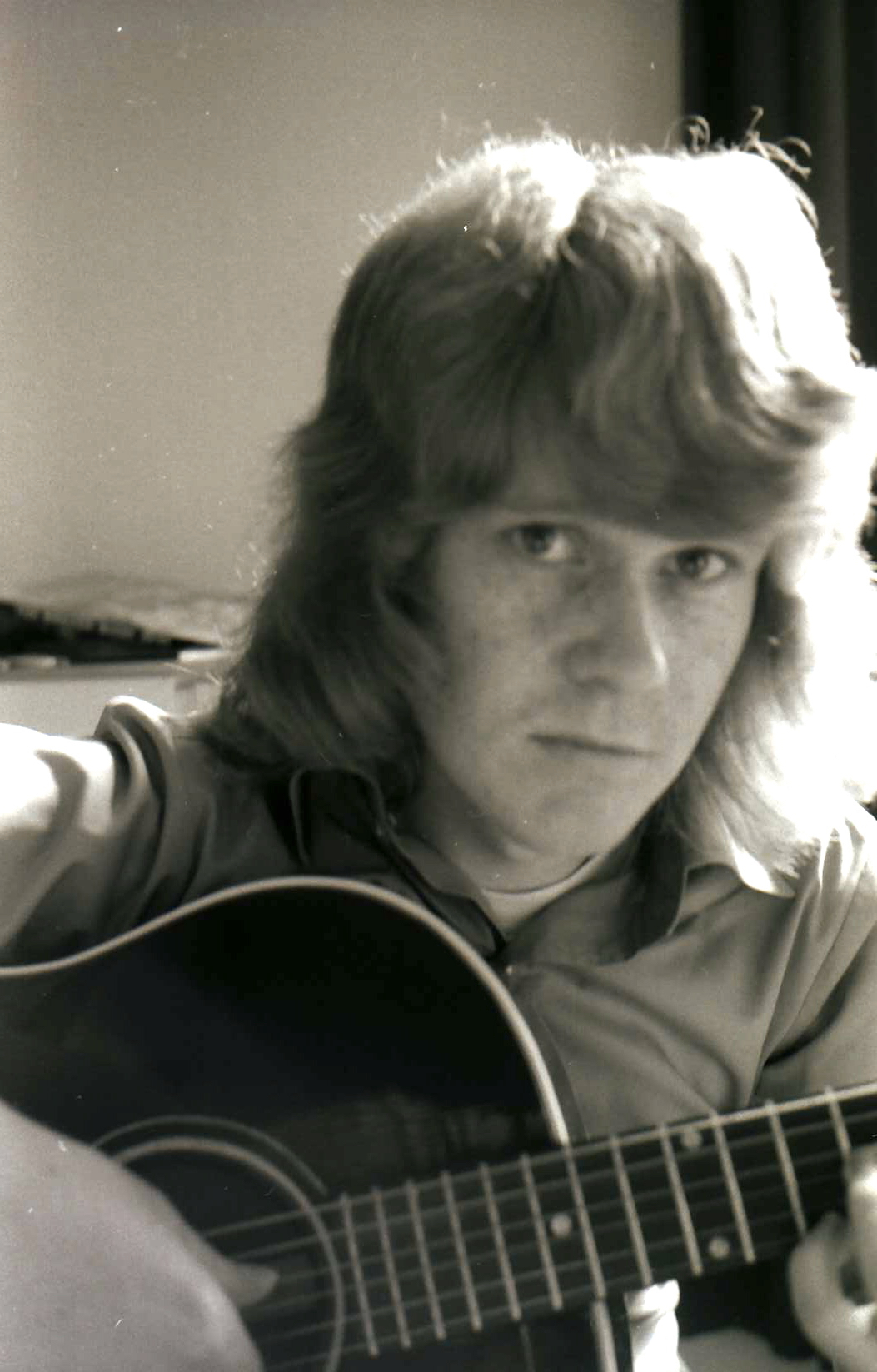
Although Alphabet failed to chart, it was a beautiful gift of Trevor’s softer work, considered Baroque Pop in the era. From an article in 2014, the author of Bite it Deep, Forgotten Pop Gems from the 60’s and 70’s, had this comment about Trevor‘s submission… The album is a good example of UK songwriter, soft orchestrated pop of the early seventies, reminiscent of late sixties post-Nash, Hollies, charming and well produced with easy on the ear vocals. They go on to state, My personal highlights…the far superior reworking of the Marbles Elizabeth Johnson. I find this last comment very telling. This particular song, written solely by Trevor, was recorded and released on The Marbles album, and Trevor chose to included it on his solo release as well. Personally, I also prefer Trevor‘s solo version, and considering The Marbles recording had the Bee Gees assistance in production, I believe it shows Trevor‘s better understanding of how his music was best presented.
By the time Alphabet was released, Trevor had already started to shift away from a recording career. Eventually, he decided to go into another field. He took a position at a local high school in London and began teaching music. This position was the last career move we have knowledge of, other than about a year before his passing, Trevor wrote and published the book Caged For Jazz Guitar – A Chord-Shaped Approach to Jazz Guitar Mastery. His knowledge and skill of the guitar was extensive.

The time between his release of Alphabet and the publishing of his book is fairly undetailed. There isn’t much more information from this time of his life that Peter and I were able to track down. Trevor losing contact with old friends from the recording era, as well as those from his Australia days left us with little to go on. Those he had worked with in the education field were no longer in their same positions at the time of the publication of this Feature. They either had retired or left for other posts. Phone numbers and emails which were for the most part work connected, were no longer valid. Peter did have an ongoing connection with Trevor the last years of his life, albeit from across the pond as Peter now found himself living in California after making the move from Canada. Even then, Trevor being his quiet self, wasn’t an open book.
In the Q&A below, Peter shares a bit more of his time with Trevor during those crazy days before and the ones after The Marbles. He also covers the difficult time of discovering Trevor‘s passing and the events that led up to that fateful day. So now, let’s discuss…
How did you and Trevor meet?
I met Trevor on my first day of high school in Sydney (Australia), sitting under a tree. We were both first year students at a very rough school called Bondi Wellington Street, better known as Bondi Wello. It was a place for the less academic minded students and the curriculum focused on subjects such as woodwork and metal work. Our teacher’s name was The Bug, who would cane you for looking sideways. The school’s intention was to get the students out into the blue collar work force at the age of 15. Clearly I didn’t belong there. I can barely hammer a nail, let alone do metal work. How and why I was sent to Bondi Wello is a whole other story.
So I see Trevor sitting alone at recess, hiding from the bullies who were running amok conducting initiation ceremonies which consisted of putting one’s head down a toilet and flushing. It was obvious he was trying to stay out of the fray, as was I, and that was the beginning of a life long friendship.
Did he tell you he was a musician?
Yes, he said he was a singer, that he had been scouted by a talent scout on the ship coming from England to Australia, and that he would soon be on TV. This sounded pretty far fetched, but one night I turned on the television and there he was, on The Johnny O’Keefe Show. He had this deep voice for a 13 year old and I was both stunned and impressed by his performance. After that appearance Trevor’s life at Bondi Wello became unbearable. The thugs found out he had been on TV and were after him big time. I think he transferred out before the school year ended and he and I lost touch for a while.
I understand that it was Trevor who introduced you to the Gibb brothers (who became the Bee Gees.) How did that come about?
About a year later, after I was able to transfer to a really good high school, Trevor got back in touch. By this point he had been on TV quite frequently and was also performing live at Returned Servicemen’s Leagues (RSLs). He asked if I wanted to hang out and told me he had made friends with some kids who were also singers and they sometimes shot little 8mm movies on the weekend. So I met up with him that Sunday in downtown Sydney and he had Maurice Gibb with him.
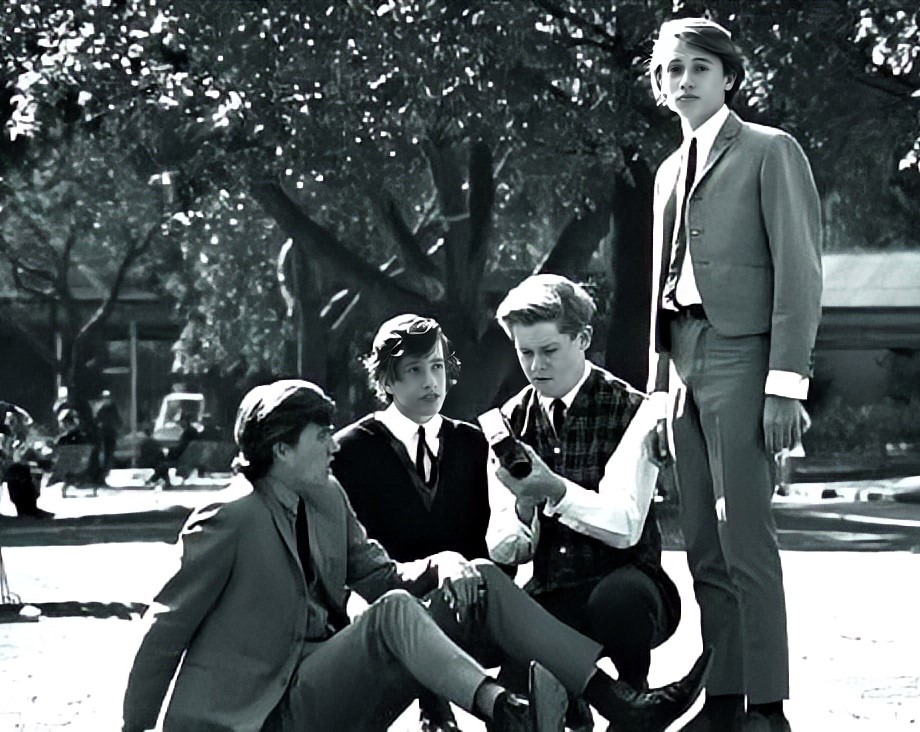
What was Maurice like at that first meeting?
Funny and outgoing with a raunchy sense of humor, much like mine. We soon became fast friends and I established a weekly rendezvous with Trevor, Maurice and later Robin (Maurice‘s twin brother.)
Were you aware of the Bee Gees?
Of course. I had seen them on TV. They were amazing. When Trevor and the Gibbs had a jam session and broke into harmonies I was blown away. I could tell the Bee Gees were destined for greatness, and also that Trevor should have been.
Did you tell them about your musical ambitions?
Not a word. I kept my mouth shut about that. I was just happy to be a fly on the wall. The four of them were so polished, I was happy to just listen, secretly hoping that one day I could do what they were doing for a career.
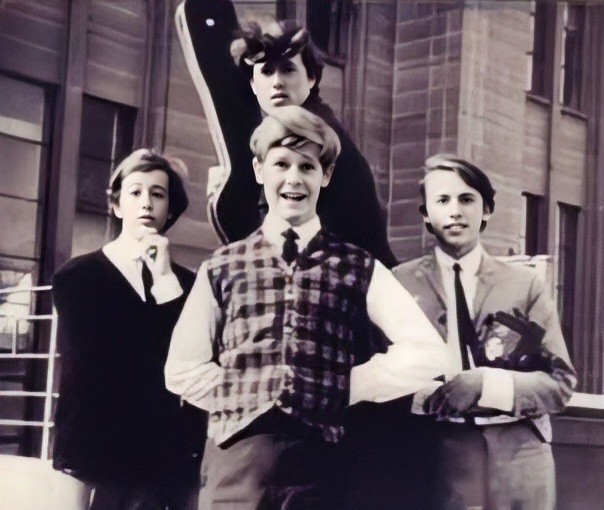
What would you guys do for fun?
We’d usually hang out downtown on a Sunday afternoon, or go to Luna Park, which we all loved. Sometimes we would go to the Gibb’s house and shoot some of those little movies, one of which is featured in the most recent Bee Gees documentary (How Can You Mend A Broken Heart.) One time we all went to the Sydney premier of the Beatles movie, Help. We did a fair bit considering they had night jobs as performers. I would be just about going to bed when they were getting ready to do their first set of the night.
You previously mentioned about the first time that you saw Trevor on tv, did you see him perform live on stage and/or watch him on TV very much during those early years in Australia, and if so, would you describe your experience?
I saw him on TV quite a lot and I did get to see him perform a few times. Like the Bee Gees, he was doing an adult act, performing old standards, backed by an adult band in tuxedos. Clearly Trevor should have been singing pop songs but that’s not what audiences at the RSLs wanted to hear. In those days Trevor and the Gibbs were both like a Vegas lounge act. That’s how they made their money.

Are you familiar with Trevor‘s instrument knowledge? What instruments did he play?
Trevor was an amazing guitar player. He was self taught and very into guitar. He played some solos on a number of the early Bee Gees records and in his later years he wrote a book called Caged for Jazz Guitar – A Chord Shaped Approach to Jazz Mastery. He taught himself to orchestrate and would write charts for a 30 piece orchestra. He was something of a boy genius.
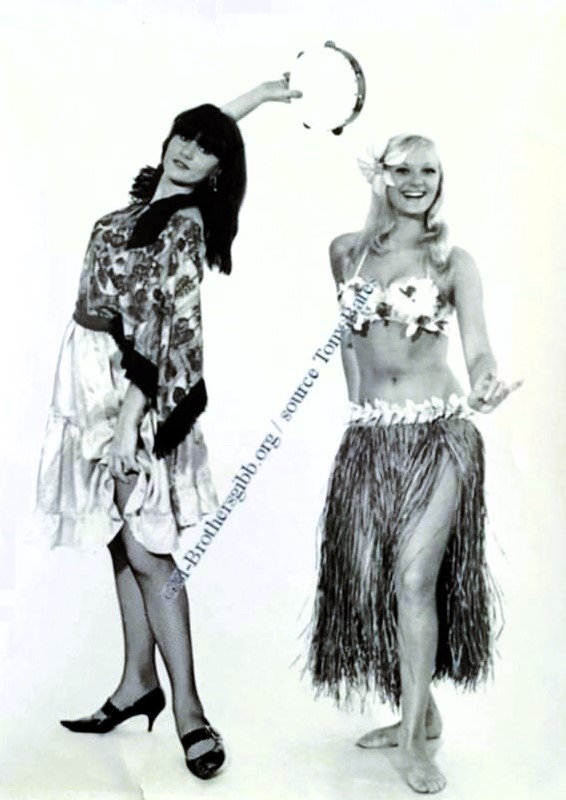
How would you describe Trevor?
Sweet, but also a bit withdrawn and private. Getting career or personal details about his life was sometimes hard. I think he might have shared more with the Gibbs since they made records together, and even performed together. I once saw them at the Royal Easter Show in Sydney where they did something like 7 or 8 sets a day in a tent, kind of like circus performers. The Bee Gees‘ sister, Lesley, and Barry’s girlfriend, Maureen Bates were their go-go dancers and they called themselves the Dolly Sisters. They all looked like they were having an amazing time.
Were there other things about Trevor’s personality that you can share?
Sometimes, Trevor was lovable but often stubborn and easily hurt. He didn’t talk to me for a year once when I was late meeting him in London after I got lost on the Tube. When I arrived he gave me shit and went home. Despite that, I never gave up on him. He was a decent guy and the good definitely outweighed the bad. I would now say Trevor probably had a touch of Asperger’s disorder, but that wasn’t a thing back in those days. To me he was just moody.
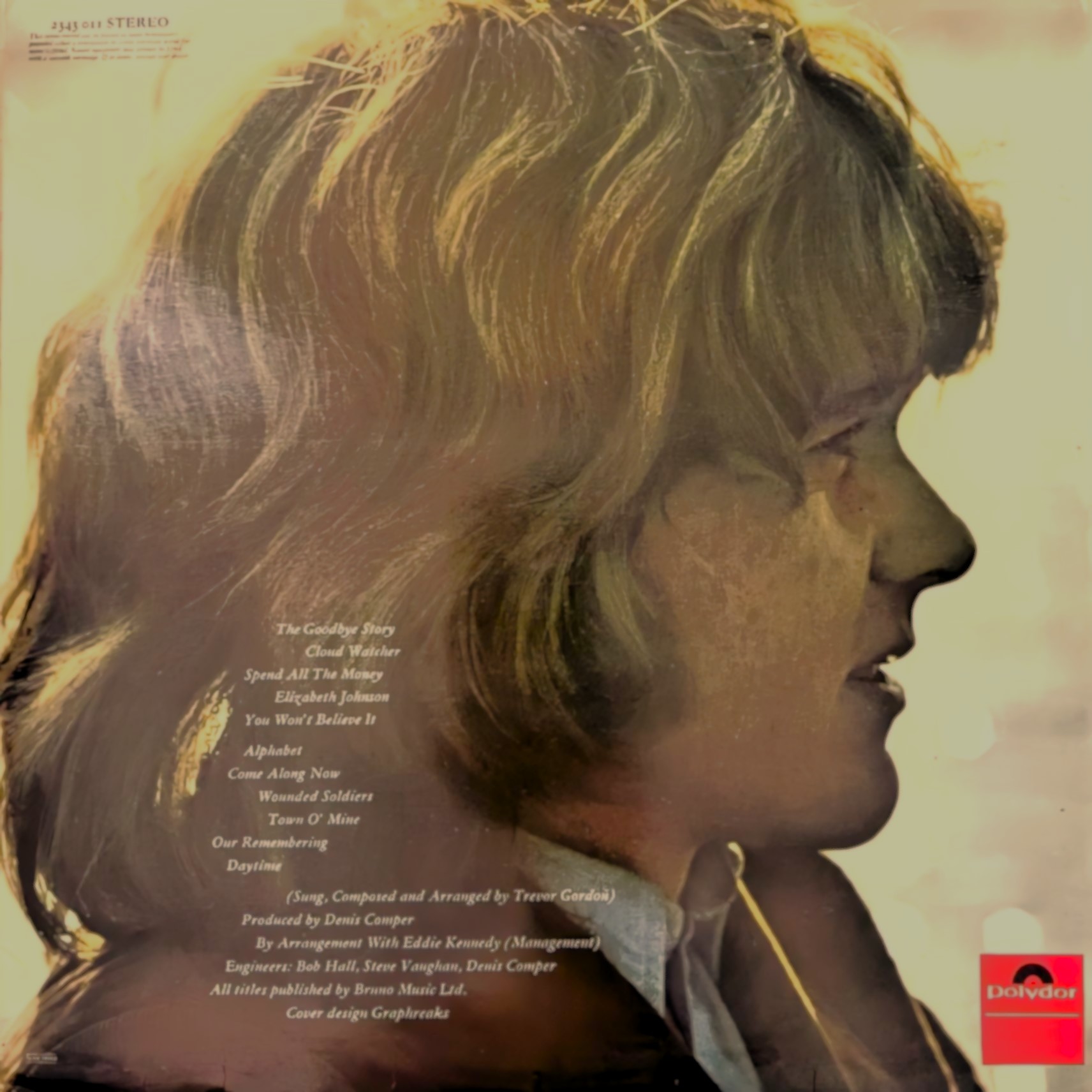
Can you speak about his songwriting? How would you describe Trevor‘s musical style?
Trevor didn’t write many songs, and certainly didn’t play any to me, just like I don’t play my music to people until it’s been recorded, but he did write some tunes for his album, Alphabet. His musical style was varied. He had a touch of music hall vibe to him, but he also excelled with his two Australian singles, House Without Windows and And I’ll Be Happy (both songs written by Barry Gibb and performed by Trevor Gordon and the Bee Gees). I think it was the only time anyone has shared that billing with the Bee Gees.
When you moved to Canada did you know about The Marbles and Trevor‘s continuing connection with the Bee Gees?
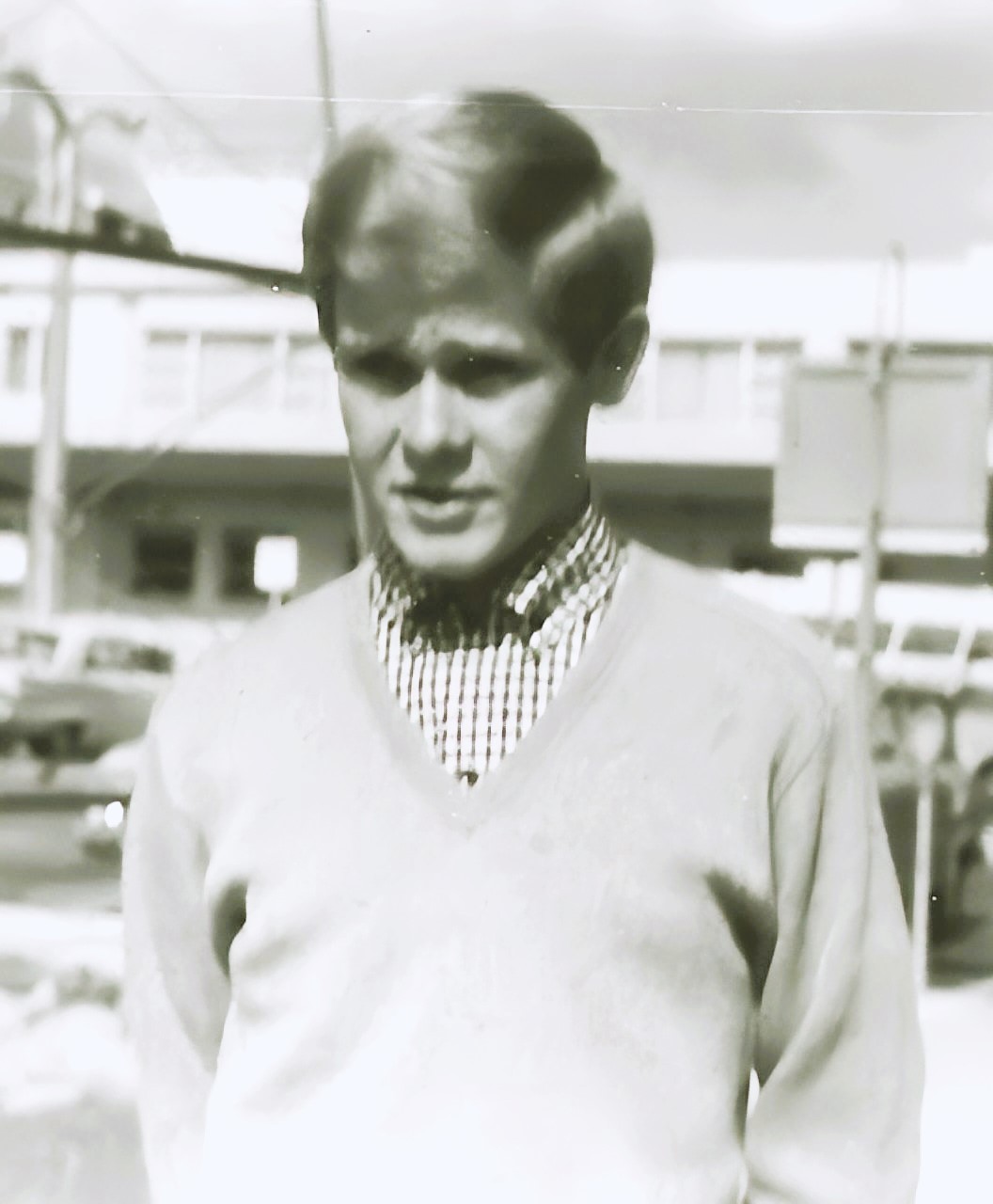
No. Trevor and I really didn’t communicate much for the next couple of years after we both left Australia. Letter writing was the only way to communicate and that’s a lot to ask an 18 year old to do on a consistent basis, so I didn’t know anything about The Marbles till a friend of mine went to London and I had him look Trevor up. He reported back to me about Only One Woman. The single didn’t do much in the US or Canada so I had no way of knowing.
Did you and Trevor ever consider or discuss working together on a music project?
That was never discussed. He did teach me some guitar chords and taught me to sing harmonies. I did talk to Maurice about producing an album for me when I got signed by Capitol/EMI Canada. He came to Toronto and met with my managers it but it never came to pass.
You did get to visit Trevor in London. What was that like for the both of you?

The first visit in 1969 was great. My buddy and bandmate, Joel, and I stayed with Trevor and Graham on Devonshire Mews and we had a lot of fun. We went to clubs, dinners and walked around London a lot. The 2nd trip, in 1971, when I was in London on my own, was a disaster. Trevor was living with his girlfriend, Alison, and she was a nightmare. She was super possessive of Trevor and didn’t want me around, even for a few days. I ended up leaving Trevor’s flat in Hampstead and stayed with Maurice at his palatial home a few miles further up, across the road from Ringo’s house. I had many subsequent trips to the UK and did continue to hang out with Trevor. He came to a screening of a film I directed which played at the Raindance Film Festival in London. I think he was impressed that I had a break through in both the film and music world – but he would never tell me that.
What do you know about the breakup of The Marbles?
Trevor didn’t say much about it but it was clear he felt betrayed by Graham and the Gibbs. After the breakup, Trevor pretty much quit the business and never (as far as I know) spoke to any of them again. I often encouraged him to reach out but he wouldn’t. He did show up to a taping when the Bee Gees were surprised with a This is Your Life TV ambush. He sat in the audience but I don’t believe he talked to the Gibbs and left after the show ended. He may have had contact with Graham much later, but I don’t know for sure.
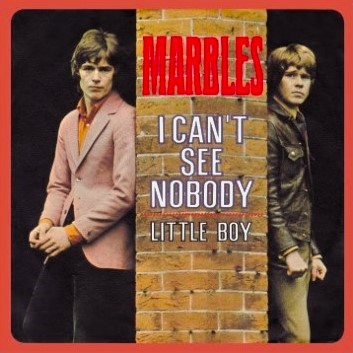
Did he commiserate with you about what he was going through?
No. He didn’t verbalize any of that but it was easy to put the pieces together. Graham had the voice and Trevor felt under used and under appreciated. Robert Stigwood signed Graham to both management and a record deal and left Trevor behind, something Trevor never forgave. He had introduced Graham to the Gibbs and he felt gutted when it all fell apart. He was able to land another manager, but not a high profile one like Robert Stigwood, and he did record an album called Alphabet on Polydor Records.
Why do you think Trevor stopped stop pursuing his music career?
Because he wasn’t able to cope with all that had to be done in order to stay relevant. He hated publicity. It embarrassed him. He didn’t care to know about the business side of entertainment. He’d never pursue his royalties. When I told him his Australian tracks were on a compilation CD, he couldn’t be bothered to see if they owed him any royalties. After a few random music gigs in the UK he became a music teacher and sadly lived out his days as something of a hermit. All that talent and promise went down the drain. The last few years of his life he and I used to talk on the phone every couple of months. I sent him some of the music I was working on and he was quite complimentary. Overall he seemed settled and at peace with his life.
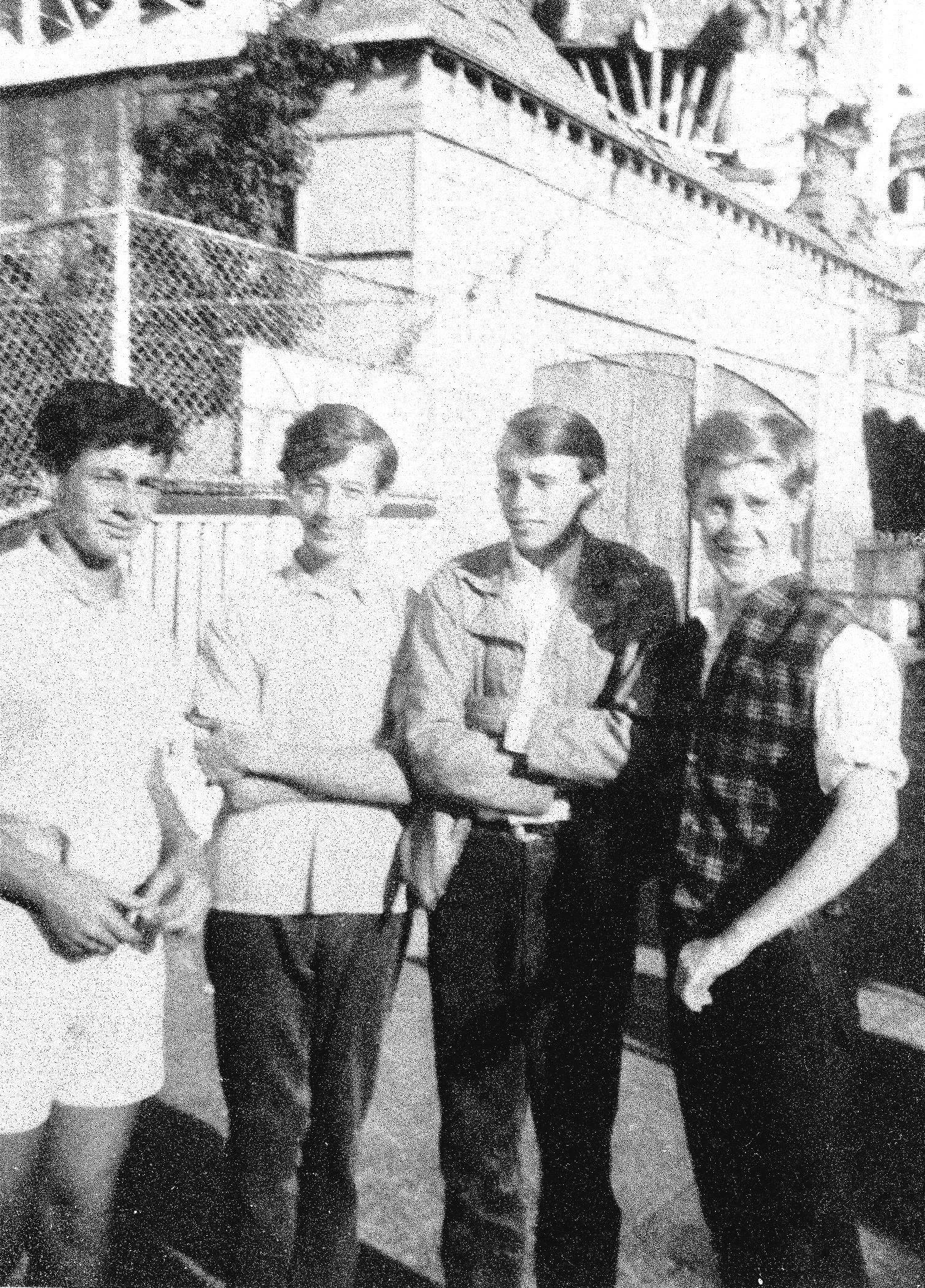
Will you share a favorite core memory of Trevor?
My best memories are of us walking around Sydney as teenagers, having coffees, going to the movies and laughing a lot, especially when Robin and Maurice joined us. The four of us stayed out partying till 5am the night before I left Australia, and that was a time I’ll never forget. I even wrote a film script about that night, though I don’t expect it will ever see the light of day. My time in Australia with Trevor and the twins was wonderful, but the distance and the stress and the craziness of the music business changed everything.
It was at your insistence that authorities perform a wellness check on Trevor in January, 2013. Can you share any of what led up to that situation and how it occurred.
Yes, well as I mentioned, by this point Trevor and I were talking periodically on the phone. I spoke to him around Christmas of 2012 and said I would call him in the new year, which I did but got no answer. After a few weeks of trying I had a bad feeling and decided to call some hospitals close to his flat, but they knew nothing about him. One of the nurses told me that in the UK you are considered a missing person after 24 hours and to ring the police and ask them to look in on him. My car was in the shop that day and I was on the bus when the police called and told me the terrible news. They asked if Trevor had any relatives and I gave them Graham’s number in California. I didn’t want to be the one to break the news.

Did they call him?
No. After about 3 hours later I called Graham and said, Hey, did you talk to them? He said, Who? The police I replied. What are you talking about? he asked, so I told him. It was a horrible moment for both of us.
Then, out of the blue, a friend of Trevor’s got in touch with me later that night as he had been calling Trevor’s flat just as the police walked in. He and Trevor had dinner plans that night. Fortunately, this friend, Stephen Drinkwater, handled everything that needed to be done. It seemed like Graham was going to be the only heir but then a girl cousin appeared out of nowhere and claimed all of Trevor’s possessions. I did contact her and asked if I could please scan some of the old photos Trevor had in his albums but she never got back to me. And that was the end of that.

What would you like people to know/remember about Trevor?
That he was a talented musician and performer who never quite got the respect in the music business he deserved. A lot of this was due to his own reluctance to be visible, and the reason I am talking about him now is to pay tribute to a guy who was not only an important figure in my life, but also a man who had a hand in the Bee Gees and The Marbles early success.
Perhaps if Trevor was alive and read this he would be very unhappy with what I have said here, but I say it out of love, and I do hope that maybe after reading this, people might check out his music on You Tube and remember Trevor Gordon with kindness.

Thank you Peter, for your unending love and admiration for your friend, Trevor. I’m not lying when I say that we all need a friend like you in our lives. Your desire to honor Trevor, even years after his passing, is so very admirable. Trevor was very lucky to have you. I would also like to say thank you for entrusting me with presenting his life story. It has been an honor.
Along with Peter, I would like to say thanks to all those who helped shed a little more light on Trevor for this Feature. Those that gave of their time to discuss, provide photos, articles and research…
Generous thanks to Lesley (Gibb) Evans, Debora McLane, Graham Bonnet, Savou Curtis, Andrew Mon Hughes (and the Decades co-authors Grant Walters and Mark Crohan), Tore Eriksen, Gerard Groux, Admin for the Graham Bonnet Facebook Page, VRP Rocks – Classic Rock Interviews, and my Twitter/X research friends (you know who you are!)
Below you will find a slideshow of a few other photos… all credit to the respective owners.
This has been a different style of Features from my usual fare, but I’m thinking it’s something I might like to try more of! Let me know what you think by leaving a comment or dropping me a message! I’d love to hear from you!
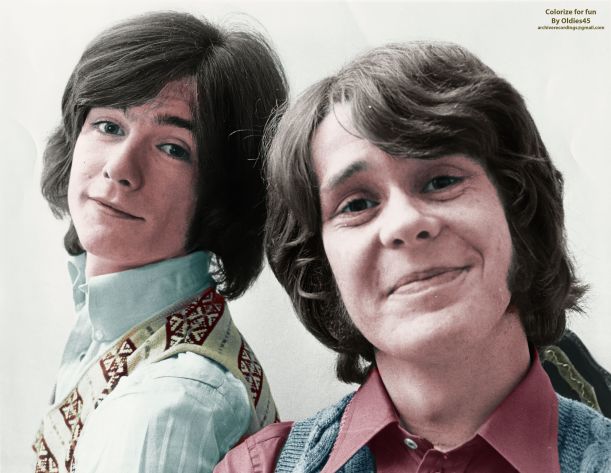
Graham and Trevor Promo Photo 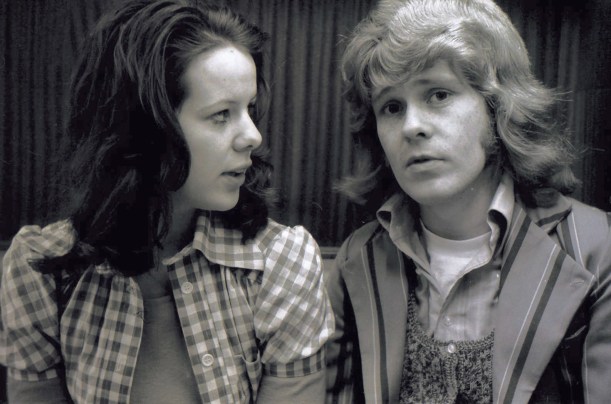
Alison and Trevor – Credit to Peter foldy 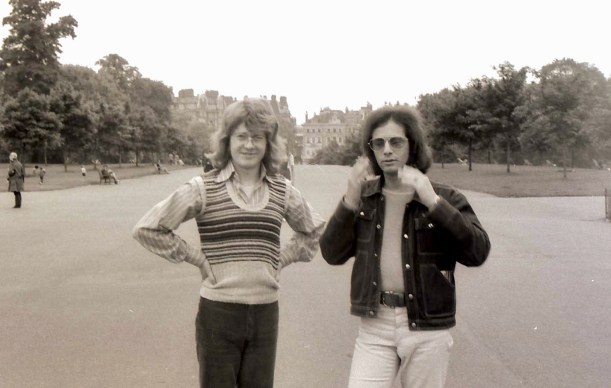
Trevor and Peter Foldy – Credit to Peter Foldy 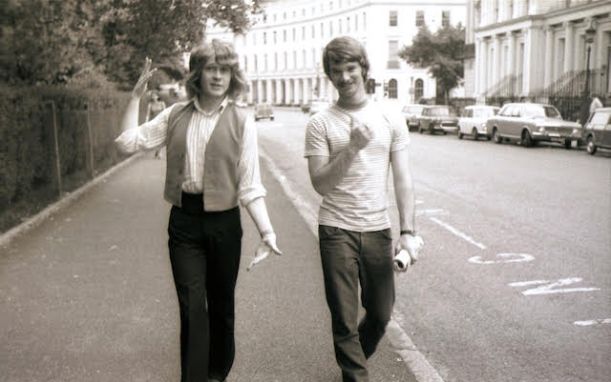
Trevor and Peter’s friend, Joel – Credit to Peter Foldy 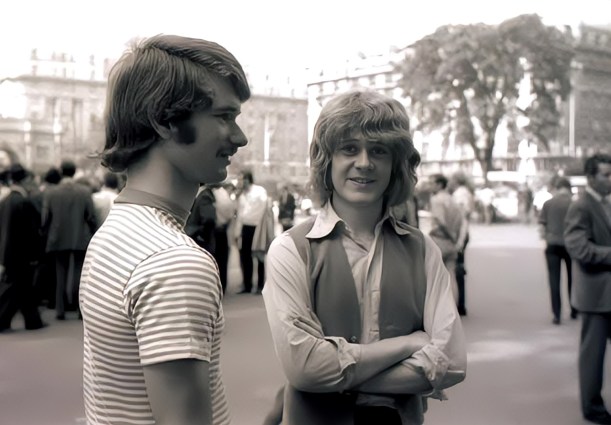
Joel and Trevor – Credit to Peter Foldy 
Graham and Trevor – Promo Photo 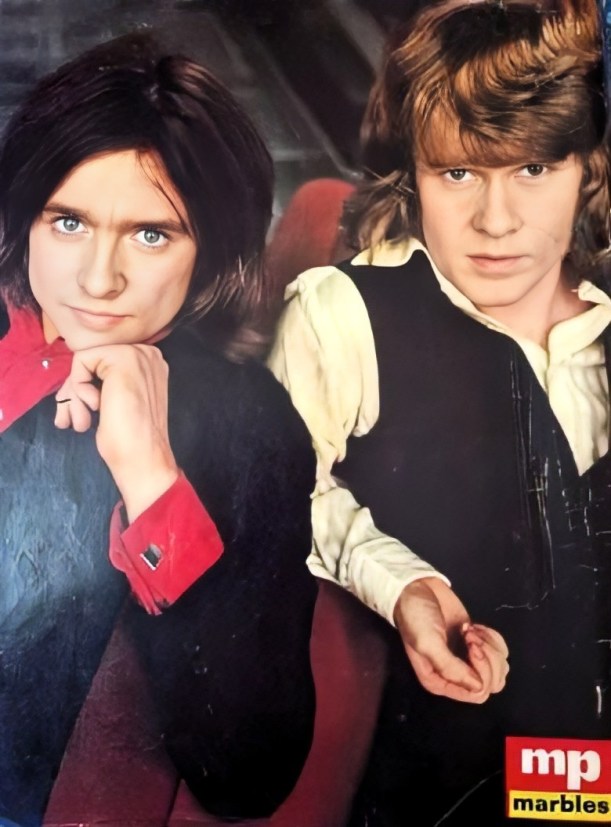
Graham and Trevor – Magazine Promo Photo Photo Courtesy of Gerard Groux 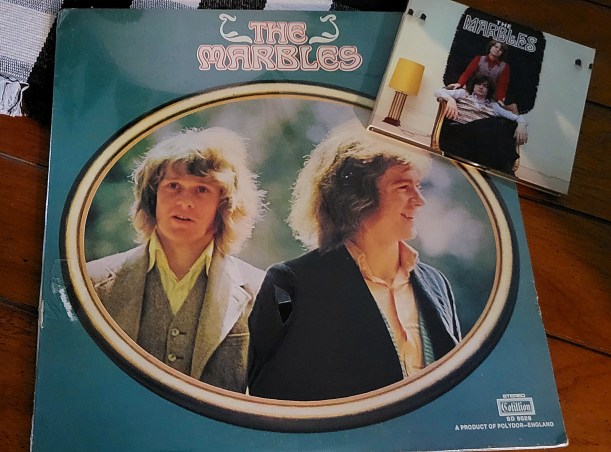
Album and CD Covers 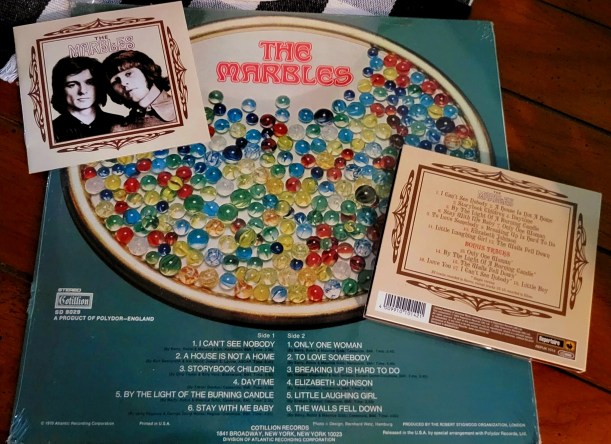
Back/inside covers of album and CD 
Trevor and Graham – Promo Photo 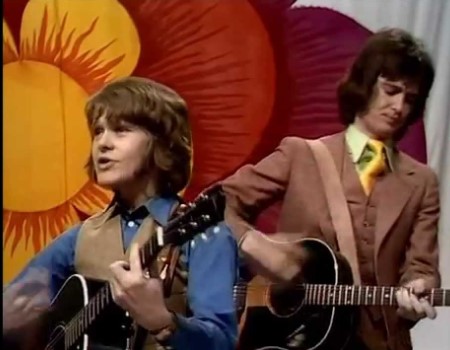
Trevor and Graham – Screencap from YouTube 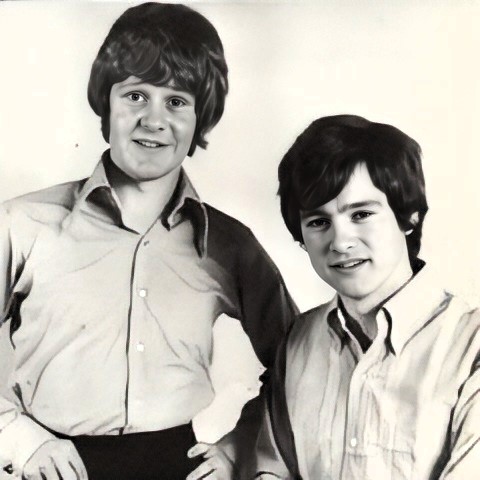
Trevor and Graham – Promo Pic 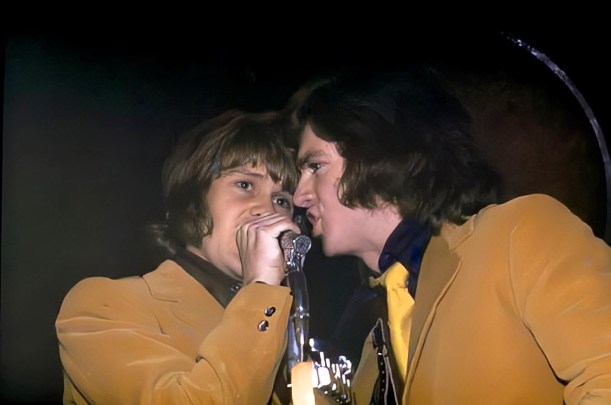
Trevor and Graham – Screencap found on Internet 
Trevor – Credit Savou Curtis 
Trevor and Graham – Shared on BGD Archives 
Trevor and Graham – Screencap from Youtube 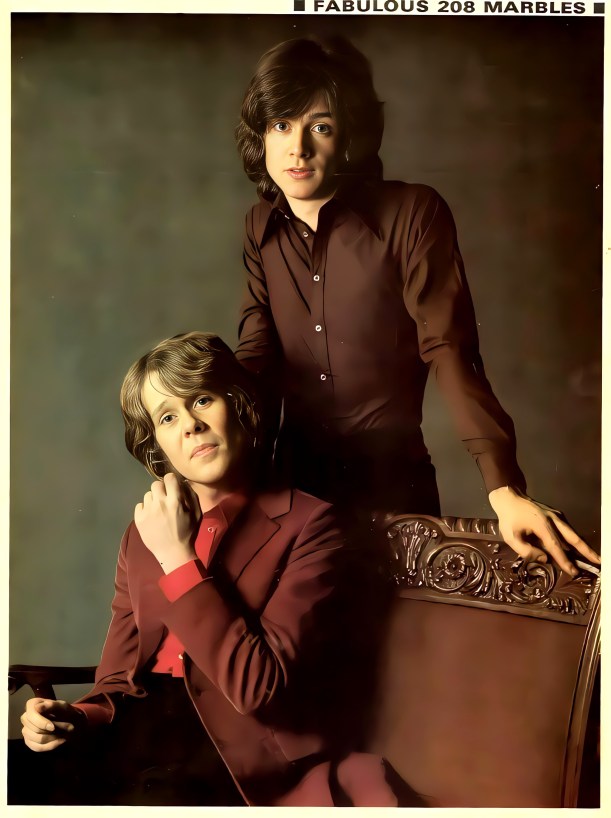
Trevor and Graham – Promo Photo 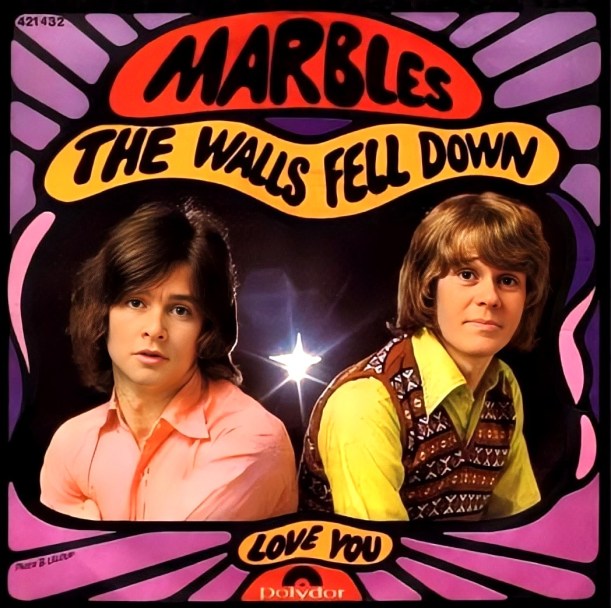
Single Sleeve Cover Art 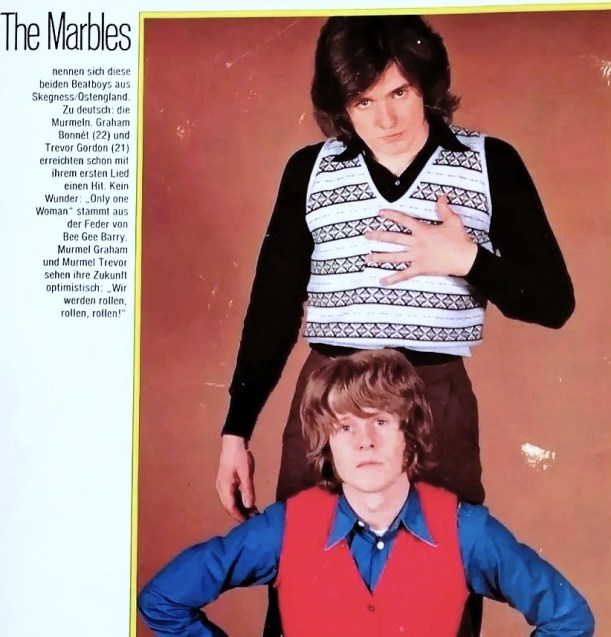
Graham and Trevor – Promo 
Maurice Gibb, Trevor Gordon, Barry Gibb, and possibly Robin Gibb’s Leg – from First Authorized Bee Gees Biography by David Leaf
 At a Glance...